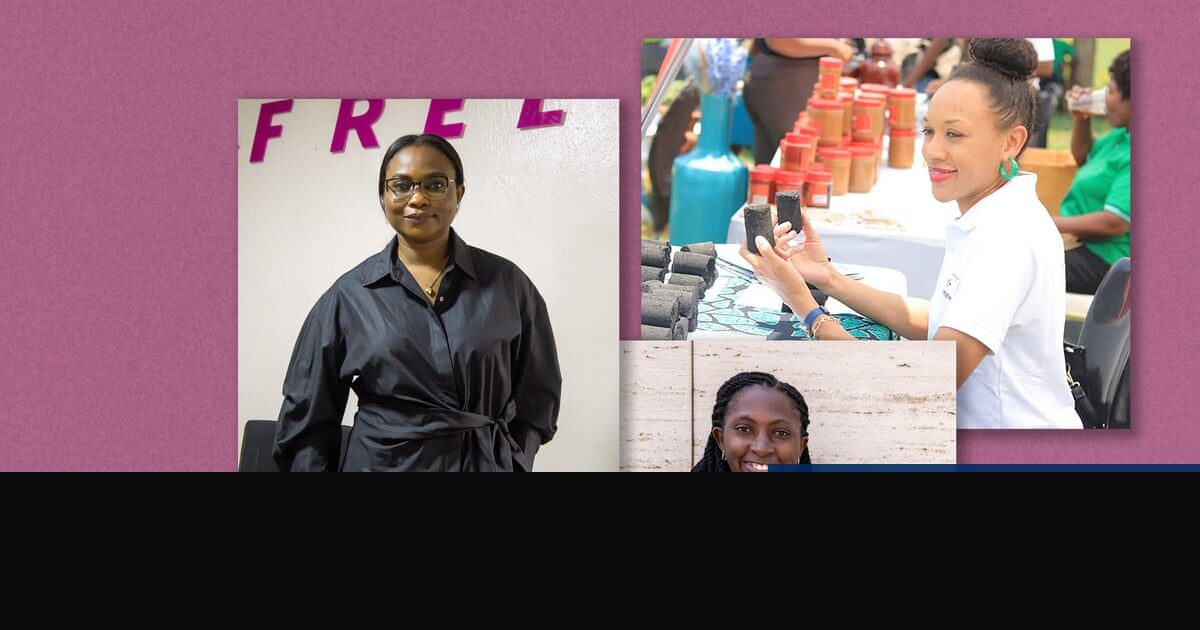
From school meals to recycled tyres, entrepreneurs in Nigeria, Uganda, Kenya and Malawi are rewriting the rules of business.
Across Nigeria, Uganda, Kenya and Malawi, four women are proving that African enterprise doesn't need permission to win. Their businesses tackle real problems, from hungry schoolchildren to mountains of discarded tyres, and they are turning those problems into opportunities.
The backdrop is striking. Africa is widely thought to have a higher share of female entrepreneurs than any other continent. Women here are starting businesses at serious scale and with serious ambition. Yet access to financing remains a stubborn barrier, and too many founders still have to fight for the capital that would let them grow.
Then there is the everyday stereotyping. One of the founders sums it up in a line that says plenty: people assume the man standing next to her is the owner. It is a small moment that reveals a bigger bias, and these women have learned to meet it with results rather than resentment.

What connects the four is a refusal to follow someone else's script. Each has built a company around a purpose, whether that means feeding children so they can learn or recycling waste to protect the environment. Their stories show that profit and impact can run on the same team, and that the next generation of African business leaders is already on the pitch.