From a Mumbai press box to Africa's newsrooms, women covering sport are battling sexism that social media has turned vicious and relentless.
Every African woman who has picked up a mic, notebook or camera to cover sport will recognise the story of Indian cricket journalist Anjali Doshi. After two decades on the beat, she says the sexism women in sports media have always faced has been turbocharged by social media into something vicious, relentless and deeply demoralising.

Doshi's journey began 24 years ago in the Wankhede Stadium press box in Mumbai, where she covered an India v England one-day international. It was a night of theatre: Andrew Flintoff raced across the outfield twirling his shirt overhead after England edged home by five runs, a celebration that irked India captain Sourav Ganguly so much that he repaid it from the Lord's balcony later that summer. But Doshi's memory of that evening is just as much about her own nerves.
She filed her match report for a local tabloid with trepidation and a heavy dose of impostor syndrome. She was one of only two women in the press contingent, and she feared how male colleagues and senior reporters would judge her presence and her work. That is a feeling many women entering African newsrooms and press boxes, from football to athletics to rugby, know all too well.
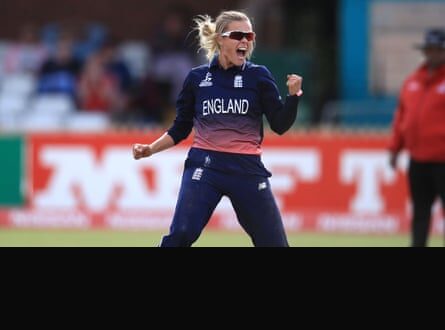
What has changed, she argues, is the scale and cruelty of the backlash. Where doubt and side-eyes once lived in the press box, abuse now follows women journalists home through their phones, at any hour and in public view. Her message lands with force across the continent: as more African women claim their seats in sports media, the industry must protect them, not just welcome them.